







Search Results for: Coarse Grind
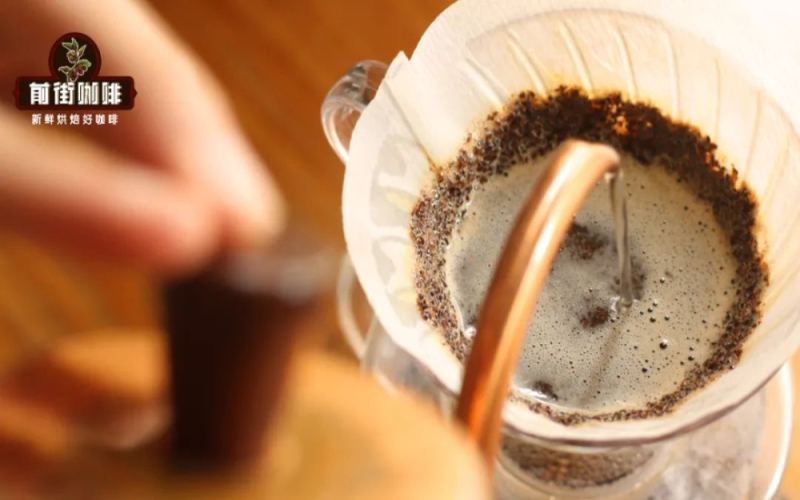
Fine Grind Fast Pour vs. Coarse Grind Slow Pour: Flavor Differences and Practical Comparison of Two Pour-Over Schools
In the world of pour-over coffee, beyond the common brewing schools, two opposing approaches have emerged, divided by grind size and brew time: fine grind fast brew and coarse grind slow brew. Both are based on the same extraction principles, yet they deliver entirely different drinking experiences. This article will analyze the theory behind these two approaches from the perspectives of surface area, water flow rate, and dripper pairing, and conduct a practical comparison using the same medium-roast Papua New Guinea · Bird of Paradise beans, using a V60 and a Kono dripper, the same coffee-to-water ratio and water temperature, to observe the specific flavor differences between fine grind fast brew and coarse grind slow brew, helping coffee enthusiasts understand how to choose the right brewing strategy based on grind size. [more…]
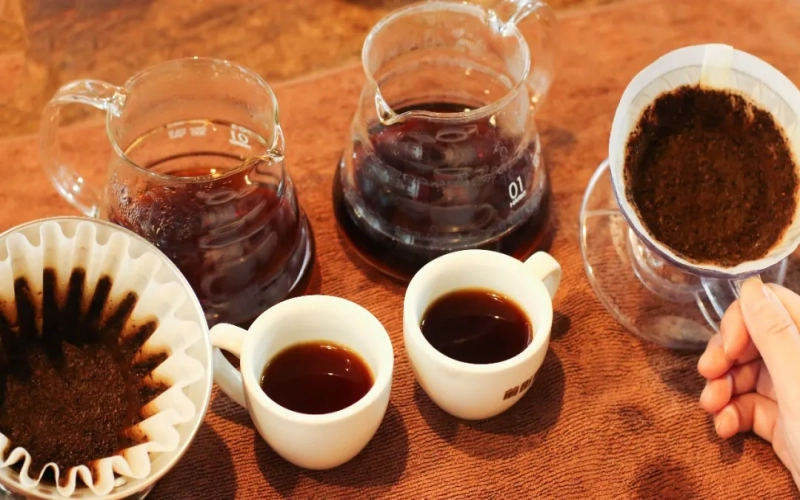
How Does Fine Grind Fast Extraction Differ from Coarse Grind Slow Extraction? A Full Analysis of Pour-Over Parameters and Flavor Differences
Among the many variables that affect extraction results, the combination of grind size and extraction time has long been a subject of debate. This article compares two approaches—"fine grind, fast brew" and "coarse grind, slow brew"—analyzing their differences in flavor complexity, body, and balance. Drawing on the actual brewing parameters for Front Street Ethiopia Huakui, it demonstrates the procedures for fine grind with a short time and coarse grind with a long time, helping coffee enthusiasts understand the applicable scenarios and room for adjustment for each approach. [more…]
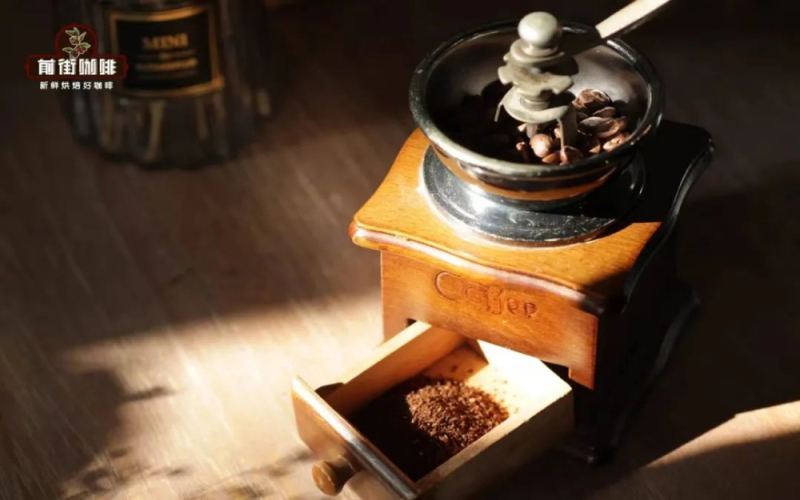
Coffee Grind Size Analogy Guide: Particle Size Correspondence Between Caster Sugar, Coarse Sugar, Sea Salt, Fine Salt, and Flour
There is no unified quantitative standard for coffee grinding, so enthusiasts often use everyday ingredients as analogies to quickly convey the concept of particle size. Common reference points like fine granulated sugar, coarse granulated sugar, sea salt, fine salt, and flour each correspond to different brewing methods and roast levels. This article goes through the particle size characteristics and suitable scenarios for each of these analogous grinds one by one: fine granulated sugar is mostly used for light-roast pour-over, coarse granulated sugar suits medium-dark roast beans, sea salt-like texture is suitable for immersion extraction methods like the French press, fine salt-like texture serves the fast-paced extraction of the moka pot, and flour-like texture is divided into two categories: espresso and Turkish coffee. The grind size described by each analogy is a range, not a single fixed value, and understanding this point helps with more flexible grind adjustment. [more…]

How to Fix Coffee Grounds That Are Too Coarse? Sharing Honey Queen 8.0 Pour-Over Parameter Adjustments and Practical Tips
When brewing coffee, the grind size directly determines the surface area where water meets the coffee and the speed at which hot water passes through, and even a slight deviation can ruin the entire cup's flavor. If a moment of carelessness leaves the beans ground too coarse, how can you salvage the situation? This article compiles several practical remedies—from re-grinding to flexible adjustments of water temperature and time—and, using Guji Huakui 8.0 as an example, provides complete parameters and steps to still brew a clean, full-bodied cup even after the grind has come out coarse. Whether you use a hand grinder or rely on pre-ground coffee from a vendor, you can find a corresponding adjustment plan to bring each cup as close to ideal as possible. [more…]
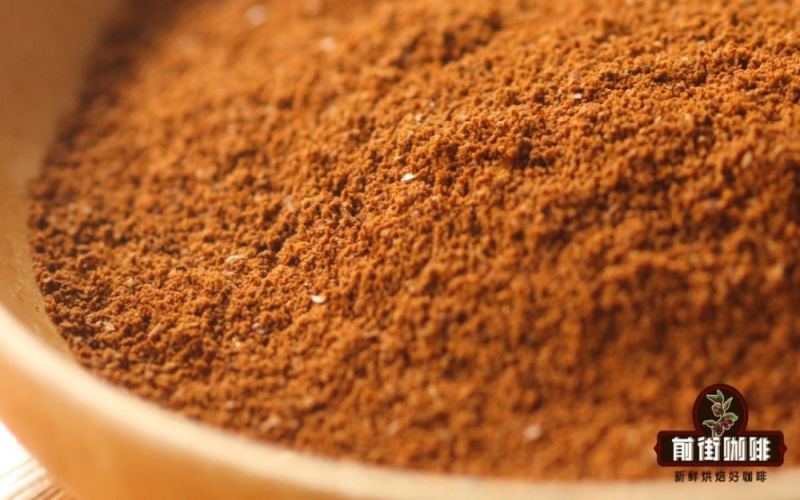
How Fine Should Cold Brew Coffee Grounds Be? An Analysis of How Coarse and Fine Grinds Affect Extraction Strength
When making cold brew coffee, should the grind size be coarse or fine? Many enthusiasts habitually assume that grinding finer will increase the concentration, but in a low-temperature, still-steeping extraction environment, this logic does not necessarily hold. Through practical experiments, Front Street used the same Yirgacheffe beans, the same coffee-to-water ratio, and the same steeping time to make cold brew with fine and coarse grinds respectively, testing the concentration and tasting the flavor differences. The results showed that the coarse grind actually had a slightly higher TDS, and its flavor performance was also brighter and sweeter. This article will explain this phenomenon from the perspectives of water temperature and particle movement, and provide grinding recommendations and applicable conditions for making cold brew coffee, helping you make a cup of cold brew with excellent concentration and flavor. [more…]
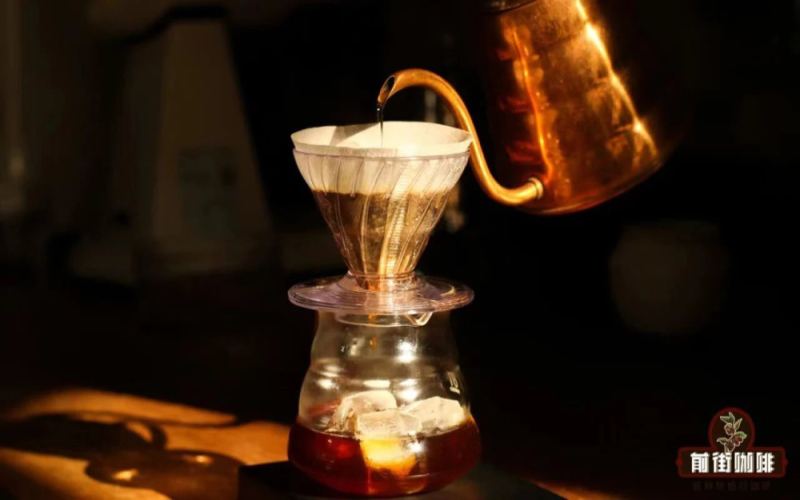
How Do You Get the Grind Size Right for Pour Over? A Complete Guide from Particle Size to Extraction Flavor
Grind size is a core variable in pour-over coffee that cannot be avoided, as it simultaneously affects the contact area between water and coffee grounds and the extraction rhythm, thereby determining the flavor direction in the cup. This article starts with coffee bean freshness and resting, explains the difference in extraction yield between fine and coarse grounds, and describes the corresponding taste performance when the grind is too fine or too coarse. It also introduces the method of calibrating grind with a 0.85mm cupping sieve, as well as Front Street Coffee's comparison table of applicable equipment organized by five levels—extra fine, fine, medium-fine, medium, and coarse—to help you find the appropriate grind range across different roast levels and brewing tools. [more…]
A Complete Guide to Coffee Grind Size: Seven Grind Levels, Their Brewing Methods, and Flavor Differences
The coarseness of coffee grinding directly affects the efficiency of extraction and the final flavor performance, making it one of the key variables that determine whether a cup of coffee is good or bad. From extremely coarse cold brew grinding to Turkish grinding as fine as flour, seven different particle sizes each correspond to the most suitable brewing equipment and methods. This article systematically sorts out the appearance characteristics of each grind size, the applicable scenarios, and why grinding fresh at home preserves flavor better than buying pre-ground coffee powder. It will also explain the taste problems that may arise from improper grind size selection, helping you quickly find the appropriate grinding parameters based on the equipment you have on hand, so that every cup of coffee can present the ideal layering of flavor. [more…]
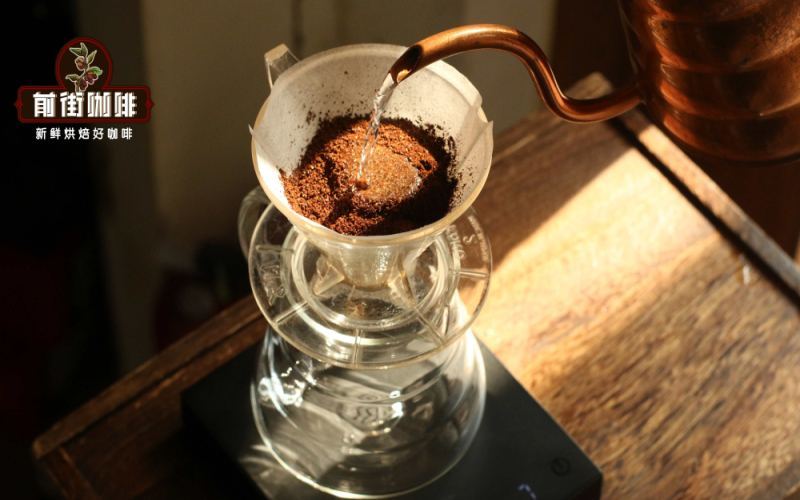
How to Choose Coffee Grind Size? An Analysis of Suitable Brewing Methods for Drip Bag Grind, Pour-Over Grind, and Coarse Grind
In coffee brewing, grind size is often the key factor that determines the direction of flavor. Beans of different densities and roast levels will have different requirements for grind coarseness even when the same extraction method is used. This article will use common fine granulated sugar and coarse granulated sugar from daily life as references to systematically explain the brewing methods best suited to fine-sugar grinding and coarse-sugar grinding respectively, and, in combination with specific beans such as Front Street Coffee Gutingting Cooperative, Front Street Coffee Strawberry Candy, Front Street Coffee Sidra, Front Street Coffee Mandheling, Front Street Coffee Huilan, and Front Street Coffee Bird of Paradise, explain why light-roasted beans need a finer grind to improve extraction efficiency, while medium-dark roasted beans are suited to coarser particles to reduce the risk of over-extraction, helping you find a suitable grinding plan in different scenarios such as drip bags, pour-over, and cold brew. [more…]

Coffee Bean Grind Setting 1 to 10 Coarseness Guide | Pour-Over Coffee Grind Standards and Adjustment Methods Reference
Grind size directly determines the extraction direction of a cup of coffee: too fine a grind easily leads to over-extraction and bitterness, while too coarse a grind may result in under-extraction and a weak, bland flavor. Many grinders on the market mark their settings from 1 to 10, but the corresponding coarseness varies across different models. A smaller number usually means a finer grind, but in practice, you need to judge based on your brewing method. Drawing on the hands-on experience of Front Street Coffee, this article sorts out the grinding ranges for common brewing methods such as espresso, pour-over, siphon, and French press, explains whether medium-light roast and medium-dark roast coffee beans are better suited to a medium-fine or medium-coarse grind for pour-over, and provides specific steps for using a 0.85mm No. 20 sieve to check the passing rate, helping coffee enthusiasts find the right grinding parameters. [more…]
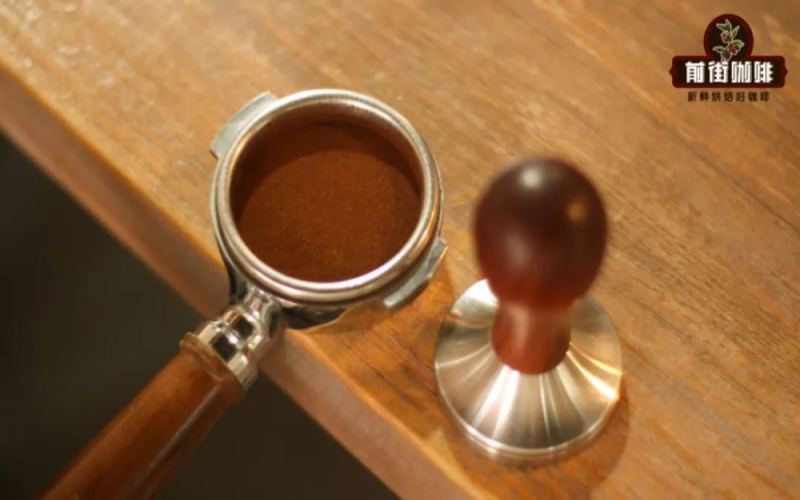
How to Choose the Tamping Pressure for an Espresso Tamper? Experimental Analysis Comparing Distribution Techniques for Fine vs. Coarse Grinds
Tamping is a seemingly simple yet highly debated step in espresso extraction. Some people give the tamper a gentle twist, just enough to level the bed, while others put their whole body into it, determined to compress the puck to the extreme. So how much force should actually be used? Do different grind sizes call for different tamping strategies? Front Street Coffee ran two sets of comparison experiments using coarse and fine grounds, tamping with a normal force of 1.5 kg and a full-force press of about 9 kg respectively, and recorded the difference in the time needed to extract 40 ml. The results showed that fine grounds are quite sensitive to changes in tamping force, while coarse grounds are almost unaffected. Through the experimental data, this article will help you understand the true role of tamping force and find the tamping method suited to different grind states. [more…]
How should you control the tamping pressure for espresso? An experimental analysis of tamping differences under coarse and fine grinding
Tamping the puck flat is a basic consensus in espresso extraction, but how much force should actually be used to tamp it down has long been a point of disagreement among baristas. Some give the tamper a light spin and apply just a little pressure, while others put their whole body weight into compressing the puck as hard as possible. Front Street conducted a comparative experiment using two grind sizes—coarse and fine—tamping with a regular force of 1.5 kg and a full-force press of about 9 kg respectively, to observe changes in extraction time. The results showed that because coffee grounds differ in density, the force needed to reach a compacted state also varies: fine grinds require greater pressure to be tamped to their most compact state, while coarse grinds are already sufficiently compacted at 1.5 kg, and full-force tamping produces extraction results almost identical to regular force. This article will present the full experimental process and conclusions to help coffee lovers understand the relationship between tamping force and grind fineness. [more…]
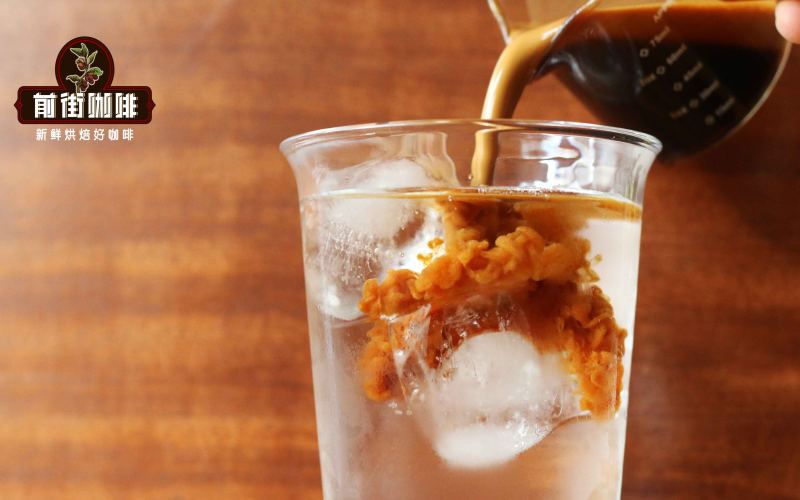
Why Is Coarse Grind Preferred for Drip Coffee? An Analysis of Grind Size and Brewing Essentials for American Coffee Makers
Americano coffee is mostly presented in everyday cafés as espresso diluted with water, but American coffee in the true sense originates from the drip-style American coffee machine. Why is drip equipment better suited to coarsely ground coffee? How does grind size affect the extraction result? Starting from Front Street Coffee's practice, this article sorts out the extraction characteristics of drip coffee machines, the suitable choice of coffee beans, and the method for determining the Americano coffee-to-water ratio, and includes the specific preparation parameters and steps for hot Americano and iced Americano, helping coffee enthusiasts understand the logic of matching coarse grinding with drip brewing. [more…]
How to Interpret Coffee Grind Settings from 1-10? A Detailed Guide to EK43 Grinder Calibration and Pour-Over Coarseness Selection
Grind size has a decisive influence on the final flavor of a cup of coffee: if the grounds are too fine, over-extraction is likely; if too coarse, under-extraction may occur. Faced with the 1-to-10 settings on a grinder, many coffee enthusiasts don't know how the numbers correspond to coarseness, nor are they clear about what grind level to choose for different brewing methods. Drawing on the practical experience of Front Street Coffee, this article systematically sorts out the standards for coffee grind size, the appropriate grind levels for common brewing methods, and the reference values for the EK43 grinder. It also explains in detail how to use a 0.85mm No. 20 sieve for sieve verification, helping you accurately judge and adjust grind size at home, so that every cup of coffee can consistently present its ideal flavor. [more…]
How Coffee Grind Size Determines Flavor Expression: A Complete Guide from Resting Beans to Sieve Calibration
How coarse or fine you grind your coffee directly affects the contact area between water and coffee particles and the extraction time, and it is also a key variable that determines whether a cup of coffee tastes good or not. But grind size is precisely the part that many enthusiasts are least sure about. Starting from Front Street Coffee's practical experience, this article first explains the prerequisite effects of fresh roasting and bean resting on grinding results, then analyzes the different flavor directions of fine and coarse grounds, and afterward gives a specific method for calibrating the pass rate with a 0.85mm cupping sieve. It also lists reference ranges for light, medium, and dark roast beans, and finally includes a practical summary for judging coarseness by brewing device when you do not buy a sieve. [more…]
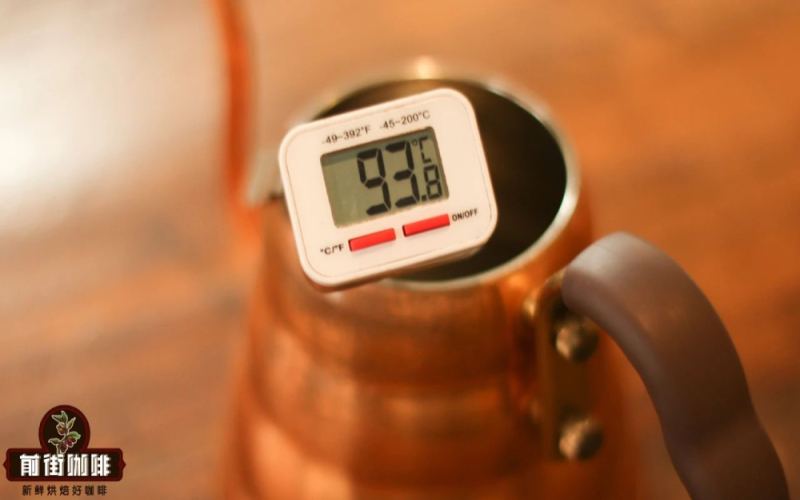
A Complete Guide to Coffee Grind Size: Grind Standards for Pour-Over, Espresso, and Moka Pot with Front Street Brewing Tips
Grind size is one of the core variables that determines the direction of coffee flavor. If the grounds are too coarse, flavor compounds are under-extracted and the coffee tastes thin as water; if the grounds are too fine, bitterness and off-flavors are over-released, throwing the cup out of balance. It is often said in coffee circles that "the grinder is more worth investing in than the coffee machine," which shows just how critical grinding is. This article systematically covers the medium-fine and medium-coarse grind standards for pour-over coffee, the practical method of sifting grounds with a 0.85mm sieve, the ultra-fine grind required for espresso under 9 bar of pressure, and the grind range for the moka pot that falls between the two. It also draws on Front Street Coffee's brewing experience to offer water temperature recommendations for different roast levels and espresso blend bean recommendations. [more…]
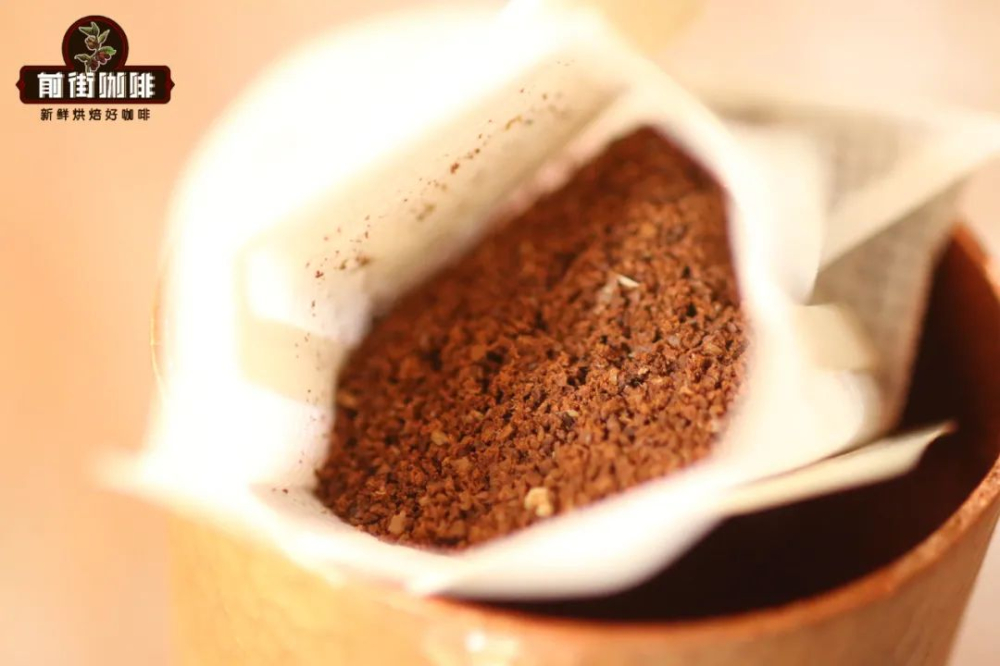
Pour-Over Coffee Grind Standards | How Does Coffee Grind Size Affect the Flavor of Pour-Over Coffee? What Happens When Coffee Is Ground Too Coarse or Too Fine?
The grind size of coffee directly affects the contact area between coffee and water as well as the extraction time, and it will directly impact the taste of the coffee. But at the same time, coffee grind size is also the most headache-inducing thing for many people! In this article, Front Street will discuss how to determine what the grind size should be for different coffee beans. First [more…]
Coffee Grind Size Comparison Guide: A Detailed Explanation of EK43s Grind Setting Particle Sizes and Sieve Pass-Through Rates
Grind size is the key variable that determines the direction of coffee flavor, but how coarse counts as coarse and how fine counts as fine has always lacked a unified standard. This article uses the industry-recognized cupping grind as a baseline, and with the help of the passing rate through a No. 20 standard sieve, quantifies the grind requirements for French press, pour-over, cold brew, ice drip, and even espresso machines one by one, and also includes reference settings for the EK43s grinder. The article also specifically reminds readers that differences in coffee bean density and roast level will cause the same setting to produce different particle sizes, and finally provides Front Street Coffee's espresso extraction plan as a debugging example to help enthusiasts turn grinding from an empirical judgment into a reproducible data-driven operation. [more…]
How Fine Should You Grind for Pour-Over Coffee? A Comprehensive Analysis of Flavor Differences from Particle Size to Sieve Pass-Through Rate
Grind size is one of the most critical variables in pour-over coffee—it determines the contact area between water and coffee grounds, and also influences extraction time and the final flavor. This article will systematically sort out the logical relationship between grind size and extraction yield, tell you what kind of taste will appear in the cup when the grind is too fine or too coarse, and also introduce how to use a 0.85mm sieve to calibrate the passing rate, and give specific grinding recommendations for beans with different roast levels. If you do not want to buy an extra sieve, the article also categorizes five levels—extra fine, fine, medium-fine, medium, and coarse—so you can quickly find the right setting by comparing it with your own brewing device. [more…]
How to Fine-Tune the EK43 Grinder Settings? A Detailed Guide to Quickly Verifying Pour-Over Coffee Grind Size
Grind size is the key variable that determines the success or failure of a cup of coffee extraction. If the grounds are too fine, they tend to over-extract and become bitter; if the grounds are too coarse, the extraction is insufficient and the flavor is weak. Starting from the practical experience of Front Street Coffee, this article systematically explains the mechanism by which grind setting affects extraction efficiency, sorts out the grind ranges corresponding to different brewing methods such as espresso, pour-over, and French press, and focuses on explaining the setting of the EK43s grinder in the pour-over scenario—medium-light roast beans are recommended at 10, and medium-dark roast beans at 10.5. It also introduces the specific operation of using a 0.85mm No. 20 sieve for sifting verification, helping coffee enthusiasts quickly judge and correct the grind size, so that every cup of coffee can consistently present the ideal flavor. [more…]
Coffee Grind Size Comparison Guide: Grind Standards and Extraction Parameters for Pour-Over, Espresso, and Moka Pot
In coffee brewing, the grind size has a crucial impact on flavor. If the coffee grounds are too coarse, extraction will be insufficient and the taste will be weak; if too fine, it easily brings out bitterness. This article will systematically sort out the grind size standards corresponding to three brewing methods: pour-over, espresso, and moka pot, and provide extraction ratio and time references. The pour-over section will distinguish the grind pass rate, water temperature recommendations, and sieving verification methods for medium-light and medium-dark roasted beans; the espresso section explains the extremely fine grind and adjustment logic under 9 bar high pressure; the moka pot section introduces the suitable grind range and bean selection approach under 1.5-3 bar pressure, while retaining Front Street Coffee's practical data and product recommendations, making it convenient for coffee enthusiasts to adjust by comparison. [more…]